
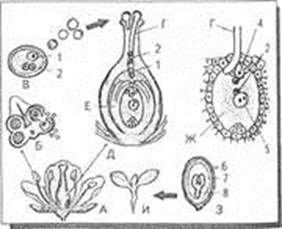
Двойное оплодотворение у цветковых растений: Оплодотворение - это процесс слияния мужской и женской половых клеток с образованием зиготы...
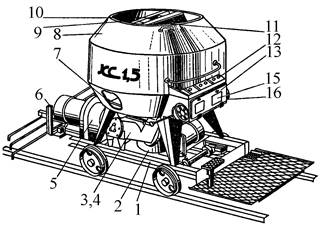
Кормораздатчик мобильный электрифицированный: схема и процесс работы устройства...
Двойное оплодотворение у цветковых растений: Оплодотворение - это процесс слияния мужской и женской половых клеток с образованием зиготы...
Кормораздатчик мобильный электрифицированный: схема и процесс работы устройства...
Топ:
Особенности труда и отдыха в условиях низких температур: К работам при низких температурах на открытом воздухе и в не отапливаемых помещениях допускаются лица не моложе 18 лет, прошедшие...
Отражение на счетах бухгалтерского учета процесса приобретения: Процесс заготовления представляет систему экономических событий, включающих приобретение организацией у поставщиков сырья...
Устройство и оснащение процедурного кабинета: Решающая роль в обеспечении правильного лечения пациентов отводится процедурной медсестре...
Интересное:
Распространение рака на другие отдаленные от желудка органы: Характерных симптомов рака желудка не существует. Выраженные симптомы появляются, когда опухоль...
Лечение прогрессирующих форм рака: Одним из наиболее важных достижений экспериментальной химиотерапии опухолей, начатой в 60-х и реализованной в 70-х годах, является...
Уполаживание и террасирование склонов: Если глубина оврага более 5 м необходимо устройство берм. Варианты использования оврагов для градостроительных целей...
Дисциплины:
 2017-10-16 2017-10-16 |
 598 598 |

из
5.00
|
Заказать работу |
Содержание книги
Поиск на нашем сайте
|
|
|
|
| Discussion and Conclusions, Introduction, References, Results, Methods |
Developing the content of your presentation
The best presentations generally follow the guidelines of a published paper, with certain sections. However, you will have only a couple of minutes per section, so you might always remember about your central message. Here are some guidelines:
 A) This section should start with your general research objectives and a few words about the context of your work. You should make a clear statement of the hypotheses or predictions that you tested. Think ahead and ask yourself, how is this connected to the Discussion? Does it tell your audience why you did this experiment or research?
B) Unless your material relates directly to methodology (e.g., a new way of collecting urine samples from uncooperative subjects), you should strive to keep your methods section brief. Don't be so brief that we can't figure out what you did, but do give some thought to what is relevant to this particular presentation
C) What did you find? Did your tests come out the way you expected? This section will be supported by graphics of your data and statistics. This section may be shorter than you first expect, and this is ok! The more concise and clear your results are, the more time you have to talk about their importance.
D) This is a section that is often overlooked in oral presentations. Speakers run short of time and rush through this, the most crucial part of the talk. Don't let this happen to you. Consider the major point that you want your target audience to remember about your talk. Speak in details not only what your results show but also why they are SIGNIFICANT (significant meaning important, not statistically significant). Demonstrate how your research relates to the larger picture or issues. Indicate why anyone should care about your findings. This will summarize your study and send the audience off on a high note.
F) Literature review is rarely provided in an oral presentation, unless the speaker cites direct quotes or seminal works. However, it is becoming increasingly common to acknowledge sources of support and research assistance at some point in the talk. We recommend citing just a few sources, focusing on those papers that are particularly relevant to your research. When you think you have got the content outlined, even in a rough form, try it out on your professor, your office mate, and your mother. If they get what you are trying to say, then you're on the right track.
Discussion
| What spoils a talk?
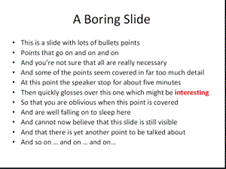
1) You have probably also found yourself attending some poor or badly given talks. What qualities did these speakers display that detracted from your enjoyment of the presentation? How significant are the following:
|
2) Why do we need visual aid? Continue the following list:
| · crystallize ideas; · help information retention; · · |
3) What are the main difficulties that you have to overcome when 1) you prepare academic presentation 2) present your report?
Task 2
Read the text and give its main ideas in 6 sentences.
|
|
|
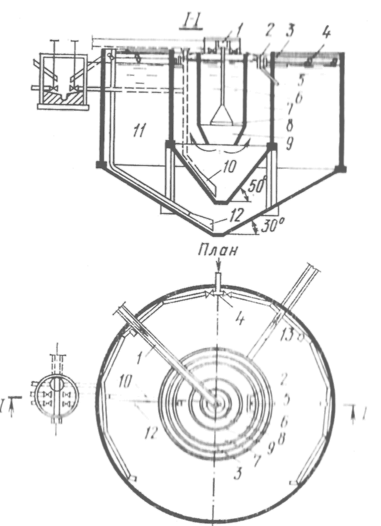
Типы сооружений для обработки осадков: Септиками называются сооружения, в которых одновременно происходят осветление сточной жидкости...
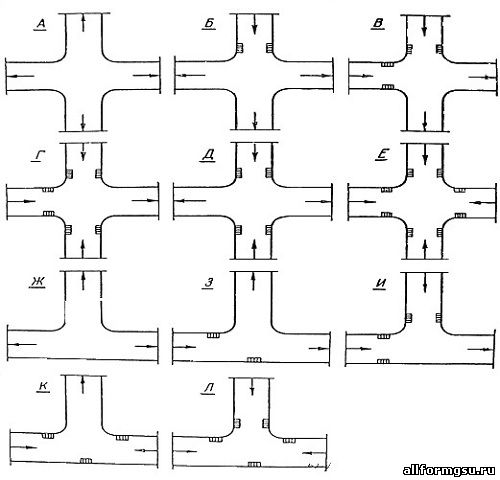
Организация стока поверхностных вод: Наибольшее количество влаги на земном шаре испаряется с поверхности морей и океанов (88‰)...
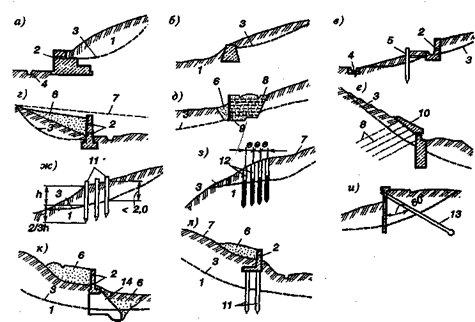
Механическое удерживание земляных масс: Механическое удерживание земляных масс на склоне обеспечивают контрфорсными сооружениями различных конструкций...
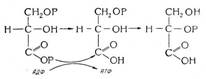
Биохимия спиртового брожения: Основу технологии получения пива составляет спиртовое брожение, - при котором сахар превращается...
© cyberpediasu.com 2017-2026 - Не является автором материалов. Исключительное право сохранено за автором текста.
Если вы не хотите, чтобы данный материал был у нас на сайте, перейдите по ссылке: Нарушение авторских прав. Мы поможем в написании вашей работы!

