
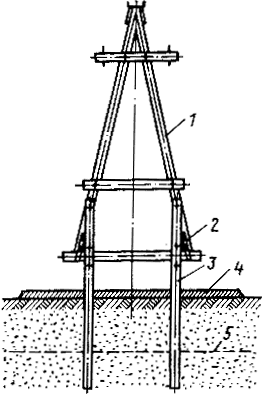
Особенности сооружения опор в сложных условиях: Сооружение ВЛ в районах с суровыми климатическими и тяжелыми геологическими условиями...
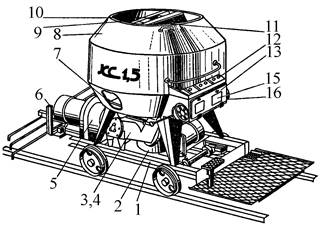
Кормораздатчик мобильный электрифицированный: схема и процесс работы устройства...
Особенности сооружения опор в сложных условиях: Сооружение ВЛ в районах с суровыми климатическими и тяжелыми геологическими условиями...
Кормораздатчик мобильный электрифицированный: схема и процесс работы устройства...
Топ:
Процедура выполнения команд. Рабочий цикл процессора: Функционирование процессора в основном состоит из повторяющихся рабочих циклов, каждый из которых соответствует...
Когда производится ограждение поезда, остановившегося на перегоне: Во всех случаях немедленно должно быть ограждено место препятствия для движения поездов на смежном пути двухпутного...
Марксистская теория происхождения государства: По мнению Маркса и Энгельса, в основе развития общества, происходящих в нем изменений лежит...
Интересное:
Берегоукрепление оползневых склонов: На прибрежных склонах основной причиной развития оползневых процессов является подмыв водами рек естественных склонов...
Принципы управления денежными потоками: одним из методов контроля за состоянием денежной наличности является...
Уполаживание и террасирование склонов: Если глубина оврага более 5 м необходимо устройство берм. Варианты использования оврагов для градостроительных целей...
Дисциплины:
 2017-11-17 2017-11-17 |
 224 224 |

из
5.00
|
Заказать работу |
Содержание книги
Поиск на нашем сайте
|
|
|
|
| 1/. | 5. is | ||
| 1. used | 6. patient’s | ||
| 2. this | 7. it | ||
| 3. before | 8. to | ||
| 4. drug | |||
| 5. ever | 5/. | ||
| 6. has | 1. for | ||
| 7. been | 2. results | ||
| 3. your | |||
| 2/. | 4. medicine | ||
| 1. effects | 5. are | ||
| 2. this | 6. studies | ||
| 3. cause | 7. important | ||
| 4. drug | 8. the | ||
| 5. such | 9. of | ||
| 6. does | |||
| 7. side | 6/. | ||
| 8. always | 1. the | ||
| 2. ago | |||
| 3/. | 3. two | ||
| 1. for | 4. had | ||
| 2. this | 5. temperature | ||
| 3. be | 6. hours | ||
| 4. gastric | 7. nurse | ||
| 5. will | 8. take | ||
| 6. operated | 9. to | ||
| 7. patient | |||
| 8. ulcer | 7/. | 1. nonpathogenic | |
| 2. can | |||
| 4/. | 3. bacteria | ||
| 1. past | 4. pathological | ||
| 2. necessary | 5. produce | ||
| 3. history | 6. changes | ||
| 4. know | 7. any | ||
| 8/. | 1. a | 12/. | |
| 2. can | 1. know | ||
| 3. measles | 2. ancients | ||
| 4. catch | 3. diseases | ||
| 5. person | 4. did | ||
| 6. second | 5. real | ||
| 7. for | 6. the | ||
| 8. time | 7. cause | ||
| 9. the | 8. of | ||
| 9/. | 13/. | ||
| 1. diet | 1. respiratory | ||
| 2. nutrients | 2. ever | ||
| 3. proportions | 3. with | ||
| 4. must | 4. infection | ||
| 5. contain | 5. been | ||
| 6. different | 6. ill | ||
| 7. in | 7. have | ||
| 8. many | 8. you | ||
| 10/. | 14/. | ||
| 1. differential | 1. for | ||
| 2. it | 2. patient | ||
| 3. difficult | 3. last | ||
| 4. is | 4. was | ||
| 5. diagnosis | 5. year | ||
| 6. to | 6. this | ||
| 7. make | 7. ulcer | ||
| 8. a | 8. operated | ||
| 9. chronic | |||
| 11/. | |||
| 1. live | 15/. | ||
| 2. a | 1. disorders | ||
| 3. oxygen | 2. patients | ||
| 4. can | 3. treat | ||
| 5. time | 4. with | ||
| 6. men | 5. can | ||
| 7. without | 6. pulmonary | ||
| 8. for | 7. you | ||
| 9. long | |||
| 16/. | 1. to 2. examination | 5. will 6. drug | |
| 3. this | 7. clinical | ||
| 4. had | 8. be | ||
| 5. undergo | |||
| 6. X-ray | 19/ | ||
| 7. yesterday | 1. a | ||
| 8. patient | 2. recommendations | ||
| 3. always | |||
| 17/ | 4. should | ||
| 1. for | 5. his | ||
| 2. dog | 6. patient | ||
| 3. rabies | 7. follow | ||
| 4. was | 8. doctor’s | ||
| 5. being | |||
| 6. examined | 20/ | ||
| 7. the | 1. material | ||
| 2. this | |||
| 18/ | 3. can | ||
| 1. used | 4. explain | ||
| 2. this | 5. me | ||
| 3. practice | 6. difficult | ||
| 4. in | 7. you | ||
| Порядок слов в специальном вопросе | |||
| 1/. | 1. avoid | 5. can 6. be | |
| 2. what | 7. diseases | ||
| 3. best | 8. protected | ||
| 4. to | |||
| 5. is | 3/. | ||
| 6. way | 1. about | ||
| 7. the | 2. treatment | ||
| 8. infection | 3. where | ||
| 4. hear | |||
| 2/. | 5. of | ||
| 1. children | 6. this | ||
| 2. infectious | 7. did | ||
| 3. how | 8. you | ||
| 4. from | 9. method | ||
| 4/. | 3. produce | ||
| 1. drug | 4. immunity | ||
| 2. use | 5. what | ||
| 3. why | 6. artificial | ||
| 4. stopped | 7. to | ||
| 5. was | 8. are | ||
| 6. this | |||
| 7. the | 9/. | ||
| 8. of | 1. doctor | ||
| 2. patient | |||
| 5/. | 3. did | ||
| 1. the | 4. to | ||
| 2. this | 5. what | ||
| 3. what | 6. do | ||
| 4. infection | 7. his | ||
| 5. cause | 8. the | ||
| 6. was | 9. help | ||
| 7. rare | |||
| 8. of | 10/. | ||
| 1. complications | |||
| 6/. | 2. treat | ||
| 1. the | 3. what | ||
| 2. of | 4. are | ||
| 3. incubation | 5. to | ||
| 4. how | 6. drugs | ||
| 5. measles | 7. used | ||
| 6. period | 8. measles | ||
| 7. is | |||
| 8. long | 11/. | ||
| 1. examined | |||
| 7/. | 2. doctor | ||
| 1. vaccination | 3. was | ||
| 2. it | 4. by | ||
| 3. is | 5. the | ||
| 4. necessary | 6. when | ||
| 5. why | 7. he | ||
| 6. undergo | 8. last | ||
| 7. to | |||
| 12/. | |||
| 8/. | 1. Mechnikov | ||
| 1. the | 2. the | ||
| 2. ways | 3. when | ||
| 4. propose | 3. made | ||
| 5. phagocytic | 4. microbiology | ||
| 6. of | 5. of | ||
| 7. immunity | 6. contribution | ||
| 8. theory | 7. great | ||
| 9. did | 8. to | ||
| 9. the | |||
| 13/ | |||
| 1. the | 17/. | ||
| 2. this | 1. last | ||
| 3. how | 2. perform | ||
| 4. occur | 3. who | ||
| 5. do | 4. this | ||
| 6. of | 5. had | ||
| 7. often | 6. week | ||
| 8. disease | 7. to | ||
| 9. epidemics | 8. experiment | ||
| 14/. | 18/. | ||
| 1. causative | 1. did | ||
| 2. what | 2. patient | ||
| 3. hepatitis | 3. the | ||
| 4. is | 4. what | ||
| 5. acute | 5. his | ||
| 6. agent | 6. treatment | ||
| 7. of | 7. doctor | ||
| 8. the | 8. recommend | ||
| 15/. | 19/. | ||
| 1. actual | 1 coat | ||
| 2. was | 2. color | ||
| 3. infectious | 3. mucous | ||
| 4. cause | 4. is | ||
| 5. whom | 5. pink | ||
| 6. of | 6. why | ||
| 7. diseases | 7. in | ||
| 8. the | 8. the | ||
| 9. established | |||
| 20/. | |||
| 16/. | 1. is | ||
| 1. development | 2. blood | ||
| 2. who | 3. now | ||
| 4. doctor | 5. drug | ||
| 5. examining | 6. what | ||
| 6. whose | 7. most | ||
| 7. analysis | 8. under | ||
| 8. the | |||
| 25/. | |||
| 21/. | 1. last | ||
| 1. been | 2. occur | ||
| 2. drug | 3. epidemic | ||
| 3. long | 4. here | ||
| 4. this | 5. when | ||
| 5. you | 6. of | ||
| 6. have | 7. did | ||
| 7. how | 8. poliomyelitis | ||
| 8. taking | 9. the | ||
| 22/. | 26/. | ||
| 1. have | 1. body | ||
| 2. been | 2. how | ||
| 3. phenomenon | 3. there | ||
| 4. this | 4. many | ||
| 5. how | 5. the | ||
| 6. studying | 6. in | ||
| 7. long | 7. are | ||
| 8. you | 8. human | ||
| 9. organs | |||
| 23/. | |||
| 1. holidays | 27/. | ||
| 2. you | 1. actual | ||
| 3. your | 2. discovered | ||
| 4. where | 3. of | ||
| 5. spend | 4. when | ||
| 6. are | 5. tuberculosis | ||
| 7. summer | 6. the | ||
| 8. going | 7. was | ||
| 9. to | 8. cause | ||
| 24/. | 28/. | ||
| 1. this | 1. methods | ||
| 2. effective | 2. is | ||
| 3. conditions | 3. three | ||
| 4. is | 4. of | ||
| 5. which | 2. student | ||
| 6. effective | 3. this | ||
| 7. these | 4. when | ||
| 8. most | 5. finish | ||
| 9. the | 6. to | ||
| 7. the | |||
| 29/. | 8. experiment | ||
| 1. reading | |||
| 2. my | 31/ | ||
| 3. why | 1. he | ||
| 4. this | 2. why | ||
| 5. is | 3. examination | ||
| 6. book | 4. will | ||
| 7. now | 5. to | ||
| 8. friend | 6. X-ray | ||
| 7. have | |||
| 30/ | 8. undergo | ||
| 1. had | |||
| 4.5. Порядок слов в безличном предложении | |||
| 1/. | 3/. | ||
| l. week | 1. to | ||
| 2. this | 2. is | ||
| 3. necessary | 3. learn | ||
| 4. was | 4. it | ||
| 5. finish | 5. the | ||
| 6. it | 6. cause | ||
| 7. work | 7. necessary | ||
| 8. to | 8. of | ||
| 9. last | 9. diseases | ||
| 2/ | 4/. | ||
| 1. be | 1. interesting | ||
| 2. examining | 2. to | ||
| 3. patient | 3. anatomy | ||
| 4. should | 4. listen to | ||
| 5. attentive | 5. the | ||
| 6. one | 6. it | ||
| 7. a | 7. lecture | ||
| 8. very | 8. was | ||
| 9. on | |||
| 5/. | 3. diagnosis | ||
| 1.many | 4. to | ||
| 2. facts | 5. was | ||
| 3. there | 6. make | ||
| 4. unknown | 7. difficult | ||
| 5. are | 8. a | ||
| 6. concerning | |||
| 7. microorganisms | 10/. | ||
| 1. take | |||
| 6/. | 2. time | ||
| 1. work | 3. the | ||
| 2. one | 4. it | ||
| 3. training | 5. investigation | ||
| 4. can | 6. much | ||
| 5. special | 7. to | ||
| 6. do | 8. will | ||
| 7. without | 9. finish | ||
| 8. this | |||
| 11/. | |||
| 7/. | 1. this | ||
| 1. interesting | 2. was | ||
| 2. study | 3. to | ||
| 3. is | 4. it | ||
| 4. at | 5. late | ||
| 5. to | 6. do | ||
| 6. the | 7. experiment | ||
| 7. it | |||
| 8. institute | 12/. | ||
| l. recover | |||
| 8/. | 2. follow | ||
| 1. patient | 3. quickly | ||
| 2. necessary | 4. one | ||
| 3. is | 5. doctor’s | ||
| 4. today | 6. recommendations | ||
| 5. to | 7.must | ||
| 6. it | 8. to | ||
| 7. this | |||
| 8. operate | 13/ | ||
| 1. repeatedly | |||
| 9/. | 2. ill | ||
| 1. differential | 3. it | ||
| 2. it | 4. to | ||
| 5. fall | 6. follow | ||
| 6. measles | 7. easy | ||
| 7. is | 8. was | ||
| 8. impossible | |||
| 9. with | 18/. | ||
| l. diagnosis | |||
| 14/. | 2. not | ||
| l. is | 3. make | ||
| 2. perform | 4. difficult | ||
| 3. interesting | 5. it | ||
| 4. scientific | 6. to | ||
| 5. it | 7. the | ||
| 6. experiments | 8. final | ||
| 7. to | 9. was | ||
| 8. always | |||
| 19/. | |||
| 15/. | 1.to | ||
| l. fact | 2. it | ||
| 2. necessary | 3. patient | ||
| 3. this | 4. as quick as | ||
| 4. it | 5. was | ||
| 5. mention | 6. important | ||
| 6. is | 7. examine | ||
| 7. to | 8. this | ||
| 8. unusual | 9. possible | ||
| 16/. | 20/. | ||
| 1. follow | 1. easily | ||
| 2. you | 2. one | ||
| 3. prescriptions | 3. analysis | ||
| 4. doctor’s | 4. method | ||
| 5. should | 5. understand | ||
| 6. all | 6. can | ||
| 7. strictly | 7. of | ||
| 8. the | 8. this | ||
| 17/. | 21/ | ||
| 1. prescriptions | 1. dark | ||
| 2. to | 2. came | ||
| 3. not | 3.it | ||
| 4. doctor’s | 4. home | ||
| 5. it | 5. was | ||
| 6. when | |||
| 7. she | |||
| 8. getting | |||
| 4.6 Порядок слов в повелительном предложении | |||
| 1/ | 5. your | ||
| 1. your | 6. please | ||
| 2. tell | |||
| 3. drug | 5/ | ||
| 4. patient | 1. the | ||
| 5. not | 2. show | ||
| 6. take | 3. brought | ||
| 7. to | 4. him | ||
| 8. this | 5. us | ||
| 6. you | |||
| 2/ | 7. yesterday | ||
| 1. give | 8. book | ||
| 2. medicine | |||
| 3. him | 6/ | ||
| 4. your | 1. week | ||
| 5. you | 2. next | ||
| 6. gave | 3. carry out | ||
| 7. patient | 4. do | ||
| 8. yesterday | 5. experiment | ||
| 9. the | 6. to | ||
| 7. forget | |||
| 3/ | 8. this | ||
| 1. allow | 9. not | ||
| 2. book | |||
| 3. do | 7/ | ||
| 4. your | 1. day | ||
| 5. not | 2. ward | ||
| 6. him | 3. examine | ||
| 7. take | 4. your | ||
| 8. to | 5. every | ||
| 6. in | |||
| 4/ | 7. patient | ||
| 1. dictionary | 8. his | ||
| 2. bring | |||
| 3. me | |||
| 4. tomorrow | |||
| 8/ | 1. your 2. prescriptions | 12/ | |
| 3. will | 1. bring | ||
| 4. follow | 2. ask | ||
| 5. soon | 3. book | ||
| 6. you | 4. me | ||
| 7. and | 5. his | ||
| 8. recover | 6. tomorrow | ||
| 9. doctor’s | 7. to | ||
| 8. him | |||
| 9/ | |||
| 1. results | 13/ | ||
| 2. write | 1. drug | ||
| 3. card | 2. any | ||
| 4. analysis | 3. do | ||
| 5. his | 4. more | ||
| 6. down | 5. not | ||
| 7. in | 6. this | ||
| 8. the | 7. take | ||
| 9. of | |||
| 14/ | |||
| 10/ | 1. soon | ||
| 1. week | 2. to | ||
| 2. your | 3. do | ||
| 3. come | 4. too | ||
| 4. in | 5. get | ||
| 5. to | 6. not | ||
| 6. a | 7. results | ||
| 7. visit | 8. expect | ||
| 8. friend | 9. the | ||
| 11/ | 15/ | ||
| 1. down | 1. take | ||
| 2. the | 2. give | ||
| 3. task | 3. this | ||
| 4. for | 4. patient | ||
| 5. your | 5. drug | ||
| 6. next | 6. to | ||
| 7. put | 7. it | ||
| 8. home | 8. my | ||
| 9. lesson | 9 and |
Радел V. Обвести кружком номер правильного ответа
| 1. Infection is... | 1. resistance of the body to bacterial attack |
| 2. prevention of infectious diseases | |
| 3. penetration of bacteria into the | |
| body | |
| 2. Tuberculosis is… | 1. an acquired disease |
| 2. an inherited disease | |
| 3. immune-deficiency disease | |
| 3. There are two main groups of | 1. long, short and broad |
| muscles... | 2. voluntary and involuntary |
| 3. smooth, circular and striated | |
| 4. Liver is... | 1. the main organ of digestion |
| 2. the largest gland in the body | |
| 3. respiratory organ in the body | |
| 5. In many cases viruses... | 1. are caused by disease |
| 2. are used to treat a disease | |
| 3. are the cause of disease | |
| 6. Plasma is... | 1. a liquid part of the blood |
| 2. a corpuscular element of the blood | |
| 3. an antibody in the blood | |
| 7. Bacteria are expelled from the | |
| body by... | 1. drugs |
| 2. therapeutic procedures | |
| 3. sneezing and coughing | |
| 8. Infectious diseases are caused | 1. living causative agents |
| by… | 2. inanimate objects |
| 3. dead organic materials | |
| 9. Antiserum is... | 1. the serum from a recovering |
| person | |
| 2. the serum of actively immunized | |
| animal | |
| 3. the serum free of pathogenic | |
| microorganisms | |
| 10. Vaccines are used... | 1. for treatment |
| 2. for pollution | |
| 3. for immunization | |
| 11. Contractions of voluntary | |
| muscles are... | 1. controlled by the will of man |
| 2. controlled by hormones | |
| 3. controlled by the nervous system | |
| 12. Pulmonary alveoli constitute... | 1. air passages |
| 2. the whole respiratory system | |
| 3. respiratory part | |
| 13. The walls of the digestive tract | |
| consist of … | 1.epithelial tissue |
| 2. mucus | |
| 3. three coats | |
| 14. Circulation of blood aids in the... | 1. regulation of the body temperature |
| 2. digestion of food | |
| 3. work of nervous system | |
| 15. The ability of the body to resist | |
| infection... | 1. has many functions |
| 2. is termed immunity | |
| 3. is due to environment | |
| 16. All organs of the body | |
| communicate with each other …. | 1. through blood circulation |
| 2. through digestion | |
| 3. through oxygen inhalation | |
| 17. Blood is important in … | 1. regulation of nervous function |
| 2. regulation of body function | |
| 3. regulation of lymph circulation | |
| 18. Material basis of thinking is... | 1. liver |
| 2. stomach | |
| 3. brain | |
| 19. Viruses are capable of... | 1. stimulating body activity |
| 2. inducing a disease | |
| 3. providing immunity | |
| 20. The human organism needs … of | |
| food. | 1. regular suppression |
| 2. regular suggestion | |
| 3. regular supply | |
| 21. It is much easier to treat | |
| diseases at an... | 1. old age |
| 2. early stage | |
| 3. advanced phase | |
| 22. Dizziness, nausea, malaise are... | 1. objective symptoms of a disease |
| 2. delayed symptoms of a disease | |
| 3. subjective symptoms of a disease | |
| 23. Liver is... | 1. the main respiratory organ |
| 2. the largest gland of the body | |
| 3. the organ of excretion | |
| 24. Hepatitis is characterized by... | 1. severe cough |
| 2. profuse vomiting | |
| 3. urinary bile | |
| 25. Period between infection and its | |
| manifestation is called... | 1. convalescent stage |
| 2. recovery stage | |
| 3. latent stage | |
| 26. Use of antibiotics in the | |
| management of wound will delay... | 1. exposure to the infection |
| 2. onset of the infection | |
| 3. recovery from the infection | |
| 27. Vaccines are different from other | |
| medical supplies because they are | |
| very... | 1. expensive |
| 2. delicate | |
| 3. invisible | |
| 28. It is very important to remember | |
| that live vaccines are damaged in | |
| the... | 1. liver |
| 2. light | |
| 3. lungs | |
| 29. The constantly growing | |
| environmental pollution is caused | |
| by... | 1. the wastes of plant and animal life |
| 2. food poisoning | |
| 3. the increased activity of man | |
| 30. To prevent child's infections a | |
| special kind of microbial | |
| preparations are... | 1. caused |
| 2. multiplied | |
| 3. employed | |
| 31. The liver weights 1.5 kg and is | |
| situated in... | 1. the upper respiratory tract |
| 2. the right side of the upper | |
| abdomen | |
| 3. the lower part of the large | |
| intestine | |
| 32. The microscopy of the duodenal | |
| juice may reveal the inflammation of | |
| the... | 1. blood vessels |
| 2. lungs | |
| 3. gallbladder | |
| 33. Analysis of the urine is one of | |
| the most important of all medical... | 1. prevention |
| 2. procedures | |
| 3. productions | |
| 34. The microslides for the | |
| preparation of the blood films must | |
| be especially… | 1. clean |
| 2. clever | |
| 3. cool | |
| 35. The health of the circulatory | |
| system must be …. | 1. modified |
| 2. maintained | |
| 3. manifested | |
| 36. Tetanus develops only when | |
| there are anaerobic conditions... | 1. in the air |
| 2. in the intestines | |
| 3. in the wound | |
| 37. Of those two men the former is | |
| dead and … is still alive. | 1. the later |
| 2. the latter | |
| 3. the last | |
| 38. The liver is the main …. | 1. vascular organ in the body |
| 2. metabolic organ in the body | |
| 3. digestive organ in the body | |
| 39. Throughout the developing | |
| countries clinical attacks of measles | |
| play a... | 1. risk factor |
| 2. mortality rate | |
| 3. significant role | |
| 40. Both inactivated and live | |
| vaccines possess high prophylactic... | 1. particles |
| 2. preparations | |
| 3. properties | |
| 41. Broad muscles are found... | 1. in extremities |
| 2. in the trunk | |
| 3. between the ribs | |
| 42. Vitamins are... | 1. special organic compounds in |
| food | |
| 2. energy substances | |
| 3. secreted by digestive glands | |
| 43. Nutrients pass from the digestive | |
| tract through the capillary wall into | |
| the blood by means of... | 1. blood pressure |
| 2. atmospheric pressure | |
| 3. osmosis | |
| 44. Koch succeeded in finding the | |
| …. | 1. system of blood circulation |
| 2. structure of different organs of the digestive system | |
| 3. actual cause of tuberculosis | |
| 45. Viruses are... | 1. harmless |
| 2. invisible | |
| 3. beneficial | |
| 46. All organs of the human body | |
| are... | 1. interconnected |
| 2. independent | |
| 3. controlled by the will of man | |
| 47. Food moves along the digestive | |
| tract due to the contraction of... | 1. the mucous coat |
| 2. the muscular coat | |
| 3. the serous coat | |
| 48. The main organ of circulatory | |
| system is... | 1. the stomach |
| 2. the heart | |
| 3. the liver | |
| 49. The principle site of tuberculosis | |
| is... | 1. bones |
| 2. kidneys | |
| 3. lungs | |
| 50. Attempts to eliminate bacteria | |
| completely may lead to... | 1. the elimination of disease |
| 2. the elimination of human host | |
| 3. the progress of microbiology | |
| 51. Physiology is the science of... | 1. changes occurring in the diseased |
| organism | |
| 2. tissues forming the organism | |
| 3. the processes operating in the | |
| living body | |
| 52. Fats principally serve the body | |
| as a.... | 1. building material |
| 2. concentrated source of energy | |
| 3. source of nervous energy | |
| 53. Carbon dioxide is discharged | |
| from the blood mainly through... | 1. the lungs |
| 2. the heart | |
| 3. the pancreas |
| 54. The onset of pulmonary | |
| tuberculosis is... | 1. slow |
| 2.sudden | |
| 3. acute | |
| 55. The newborn infant has a | |
| temporary resistance to measles only | |
| if... | 1. he is given human interferon |
| 2. he is given prophylactic of vitamin С | |
| 3. his mother had measles | |
| 56. The substance was used to treat | |
| the serious lung... | 1.case |
| 2. disorder | |
| 3. incidence | |
| 57. Good personal habits play an | 1. disease eradication |
| important part in | 2. disease isolation |
| 3. disease prevention | |
| 58. Grippe is characterized by... | 1. vomiting |
| 2. jaundice | |
| 3. running nose | |
| 59. Once a year all the population of | |
| our country undergoes... | 1. preventive medical check up |
| 2. obligatory hospitalization | |
| 3. clinical examination | |
| 60. To avoid complication it is | |
| necessary to... | 1. stay in bed till complete recovery |
| 2. take body temperature every hour | |
| 3. follow doctor's prescriptions | |
| 61. Man is a reservoir and source | |
| of... | 1. inflammation |
| 2. infection | |
| 3. injury | |
| 62. Complicated infections require... | 1. bed rest |
| 2. improved nutrition | |
| 3. antibiotics | |
| 63. Insusceptibility to infectious | |
| diseases depend on... | 1. microbes |
| 2. toxins | |
| 3. cellular and humoral immunity | |
| 64. To prescribe a proper treatment it | |
| is necessary... | 1. to hospitalize a patient |
| 2. to examine his heart and lungs | |
| 3. to make a correct diagnosis | |
| 65. Many infectious diseases are | |
| treated by... | 1. improved nutrition |
| 2. nervous stimulation | |
| 3. stomach evacuation | |
| 66. All the bed clothes of the | |
| dysentery patients should be... | 1. washed |
| 2. boiled | |
| 3. cleaned | |
| 67. Measles usually occurs in...... | 1. urban communities |
| 2. scarcely populated regions | |
| 3. rural areas | |
| 68. The doctor examined the patient | |
| and prescribed him a... | 1. common treatment |
| 2. various treatment | |
| 3. proper treatment | |
| 69. Studying bacteria it is necessary | |
| to follow... | 1. bed rest |
| 2.general rules of safety | |
| 3. improved nutrition | |
| 70. Artificial immunity may protect | |
| you... | 1. for one day period |
| 2. for incubation period | |
| 3. for the whole life period | |
| 71. Grippe is characterized by... | 1. diarrhea |
| 2. vomiting | |
| 3. fever | |
| 72. If a person is unwell he... | 1. calls a doctor in |
| 2. makes calls | |
| 3. goes to his working place | |
| 73. The Saint-Petersburg State | |
| Medical Academy is… | 1. a secondary school |
| 2. a higher medical school | |
| 3. a middle medical school | |
| 74. The stomach is the... … | 1. most important gland of the |
| digestive system | |
| 2. most widely dilated portion of the | |
| digestive tract | |
| 3. most tender part of the digestive | |
| system | |
| 75. The air passages produce | |
| resistance to.... | 1. the blood reaching the heart |
| 2. the flow of the inhaled air | |
| 3. the lymph flow in the body | |
| 76. Venous disease of the lower | |
| extremity is … | 1. the problem of improved nutrition |
| 2. the most common medical | |
| problem | |
| 3. the result of unsanitary conditions | |
| 77. Children with the suspected | |
| foreign body in their respiratory tract | |
| are examined with … | 1. blood transfusion |
| 2. gastroduodenal tube | |
| 3. bronchoscope | |
| 78. Measles vaccine produces a … | 1. highly communicable infection |
| 2. mild noncommunicable infection | |
| 3. severe noncommunicable | |
| infection | |
| 79. Lung cancer is a … | 1. mild respiratory infection |
| 2. severe hepatic disorder | |
| 3. highly fatal disease | |
| 80. Most of the patients with | |
| whooping cough complain of … | 1. a variety of symptoms |
| 2. nonproductive cough | |
| 3. pains in the extremities | |
| 81. Measles vaccination is | |
| recommended for persons … | 1. immune to measles |
| 2. at high risk of hepatitis | |
| 3. susceptible to measles | |
| 82. Carbohydrates in our diet are … | 1. an important source of minerals |
| 2. an important source of energy | |
| 3. an important source of vitamins | |
| 83. Everyone knows that the liver is | |
| … | 1. one of the most important ducts of |
| the body | |
| 2. one of the most important juices | |
| of the body | |
| 3. one of the most important glands | |
| of the body | |
| 84. Mouth is the …. | 1. first subdivision of the |
| gastrointestinal tract | |
| 2. the organ of food metabolism | |
| 3. the main organ of the circulatory | |
| system |
| 85. Saliva has two major functions: | |||||
| to start digestion and to facilitate to | |||||
| transport of the food …. | 1. from the liver to the rest part of | ||||
| the gastrointestinal tract | |||||
| 2. from large intestine to the stomach | |||||
| 3. from mouth to stomach | |||||
| 86. Many infectious diseases | |||||
| previously extremely dangerous to | |||||
| human’s health are now …. | 1. became still more dangerous | ||||
| 2. successfully treated | |||||
| 3. always result in death | |||||
| 87. In order to struggle successfully | |||||
| with different infectious diseases we | &nbs
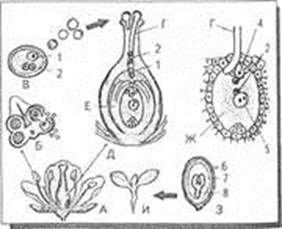 Двойное оплодотворение у цветковых растений: Оплодотворение - это процесс слияния мужской и женской половых клеток с образованием зиготы... 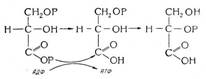 Биохимия спиртового брожения: Основу технологии получения пива составляет спиртовое брожение, - при котором сахар превращается...  История развития пистолетов-пулеметов: Предпосылкой для возникновения пистолетов-пулеметов послужила давняя тенденция тяготения винтовок...  Историки об Елизавете Петровне: Елизавета попала между двумя встречными культурными течениями, воспитывалась среди новых европейских веяний и преданий... © cyberpediasu.com 2017-2026 - Не является автором материалов. Исключительное право сохранено за автором текста. |

