
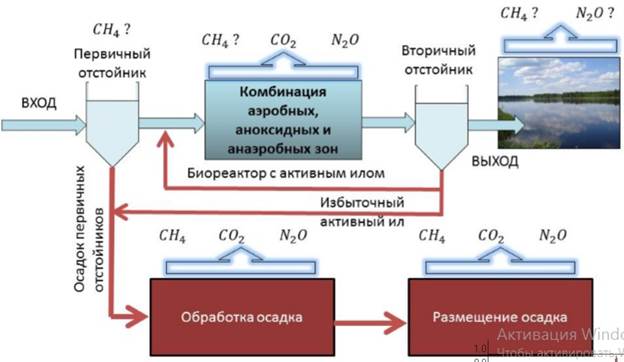
Эмиссия газов от очистных сооружений канализации: В последние годы внимание мирового сообщества сосредоточено на экологических проблемах...
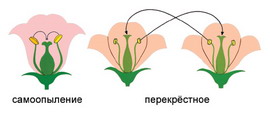
Семя – орган полового размножения и расселения растений: наружи у семян имеется плотный покров – кожура...
Эмиссия газов от очистных сооружений канализации: В последние годы внимание мирового сообщества сосредоточено на экологических проблемах...
Семя – орган полового размножения и расселения растений: наружи у семян имеется плотный покров – кожура...
Топ:
Эволюция кровеносной системы позвоночных животных: Биологическая эволюция – необратимый процесс исторического развития живой природы...
Особенности труда и отдыха в условиях низких температур: К работам при низких температурах на открытом воздухе и в не отапливаемых помещениях допускаются лица не моложе 18 лет, прошедшие...
Интересное:
Подходы к решению темы фильма: Существует три основных типа исторического фильма, имеющих между собой много общего...
Искусственное повышение поверхности территории: Варианты искусственного повышения поверхности территории необходимо выбирать на основе анализа следующих характеристик защищаемой территории...
Наиболее распространенные виды рака: Раковая опухоль — это самостоятельное новообразование, которое может возникнуть и от повышенного давления...
Дисциплины:
 2022-09-11 2022-09-11 |
 104 104 |

из
5.00
|
Заказать работу |
Содержание книги
Поиск на нашем сайте
|
|
|
|
1) She is talking about her new house. 2) He is sending a message to his boss. 3) They are preparing for the home party. 4) My parents are visiting their friends today. 5) She is complaining about her children. 6) I’m calling my boyfriend. 7) He is shouting at his cousin. 8) We are waiting for the bus. 9) They are speaking about their plans. 10. She is quarrelling with her friend. 11) We are moving to a new flat soon. 12) My friend is learning to drive a car. 13) He is serving in the Army now. 14) My children are resting in the Crimea at present.
3. Complete the sentences using ‘going to’.
1. A: Why are you turning on the television?
B: I'm going to watch the news. (I/watch)
2. A: Why are you filling that bucket with water?
B: … the car. (I/wash)
3. A: I've decided to repaint this room.
B: Oh, have you? What colour … it? (you/paint)
4. A: Where are you going? Are you going shopping?
B: Yes, … something for dinner. (I/buy)
5. A: Has George decided what to do when he leaves school?
B: Oh, yes. Everything is planned. … a holiday for a few weeks and then … a computer programming course. (he/have, he/do)
Read the email and put the verbs in brackets into the correct form.
Hi Chris,
I’ve got so much to tell you. Things are different for me now. I (live) in Canada at the moment. We’re here for a year.
James (work) for a bank in Vancouver and I (study) at the design school.
We (stay) in a lovely flat in the centre of town. There are lots of things to do in the city, but every weekend we (go) to the countryside. It (be) really beautiful. Tomorrow is Saturday and we (go) to spend some time out of town.
What about you? I’d love to know what you (do) these days. Send me an email soon.
Love, Gaby xxx
Write an email to a friend you haven’t talked to for a long time. Tell him/her about your life at the moment.
Work in pairs. Ask and answer these questions. Tell the class about your partner.
1) Do you usually stay at home in the evening or do you go out? When did you go out last? Where did you go? Did you have a good time? What are you going to do this evening? And tomorrow evening?
2) What time do you usually have dinner? Where do you usually have it? Where are you going to have dinner today? What time? What are you going to have for dinner today? Who are you going to have it with?
3) How many lectures do you usually have a day? How many lectures did you have yesterday? How many are you going to have tomorrow?
Translate into English.
1)Мой сын очень занят. Он готовится к выпускным экзаменам. 2) Бабушка вяжет мне теплый свитер. Она вяжет очень хорошо и получает от этого удовольствие. 3) Моя сестра смотрит новый сериал, а я не люблю сериалы, я читаю очень интересный детектив. 4) Уже поздно. Пора идти спать, а ты все еще сидишь за компьютером! 5) Опять ты ешь чипсы! Ты их так любишь? – Да, очень. 6) Я вижу, вы понимаете меня. – Да, я вам верю. 7) Мама на кухне. Она готовит ужин. 8) Кто-то стучит в дверь. Откройте, пожалуйста. 9) Вы собираетесь переехать на новую квартиру? – Да, в следующем году. 10) Что вы собираетесь делать днем? Вы будете очень заняты?
Put the verbs in brackets into the correct form.
1) It was the 31st of December. Everybody in the family (prepare) for the New Year. 2) I met Nelly last weekend while I (shop) at Ikea. 3) When she entered the flat, her children (watch) 101 Dalmatians on video. 4) When we went out, it (snow) heavily. 5) We had a very pleasant evening at home. The clock (tick), the fire (burn), we (talk) and (have) tea. 6) At this time yesterday I (celebrate) my birthday. 7) It was already noon but the children still (sleep). 8) It was a fine spring day. The sun (shine), a light wind (blow), happy people (walk) in the streets. 9) I (read) the magazine while you (sleep). 10) On the way to the bathroom I noticed that the answerphone light (flash): Denis. He (wait) for me at the club. 11) I looked at the guests. Everyone (shout) and no one (listen).
Put the verbs in brackets into the past simple or the past continuous.
1) He (write) a letter when I (see) him. 2) Harry (do) his work while his brothers (play) games. 3) It (get) dark and I (suggest) that we should go down. 4) John (come) in, (look) at the fires, (stand) a moment, (turn) and (go) away. 5) The man (fall) down as he (run) for the bus. 6) We (sing) a song when Jack (come) into the room. 7) Jack (do) his homework when his father (come) home from work. 8) When the telephone bell (ring), I (work) in the garden. 9) My hat (flow) off when I (cross) the bridge. 10) The rain (begin) to fall while we (watch) the game. 11) She (walk) along the street when she (see) an old friend. 12) The sun (rise) when I (wake up) this morning. 13) I (read) the newspaper when I (hear) a strange noise.
Translate into English.
1) Когда зазвонил телефон, они обсуждали этот вопрос. 2) С кем вы разговаривали по телефону, когда я вошел? – Я разговаривал с другом. 3) Вы были очень заняты, когда я видел вас 2 дня тому назад. Что вы делали? 4) Они пришли в то время, когда я работал в саду. 5) Вчера в 6 часов вечера я ждал вас в парке. 6) Мы как раз говорили о нем, когда он вдруг вошел. 7) Ты смотрел телевизор или слушал музыку, когда я позвонил тебе? Я слушал музыку.
|
|
|
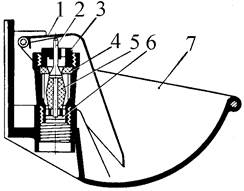
Индивидуальные и групповые автопоилки: для животных. Схемы и конструкции...
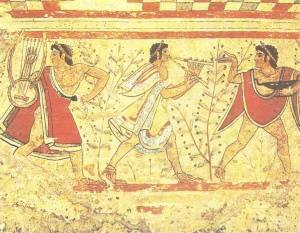
Археология об основании Рима: Новые раскопки проясняют и такой острый дискуссионный вопрос, как дата самого возникновения Рима...
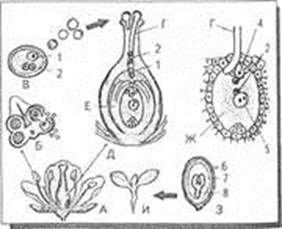
Двойное оплодотворение у цветковых растений: Оплодотворение - это процесс слияния мужской и женской половых клеток с образованием зиготы...
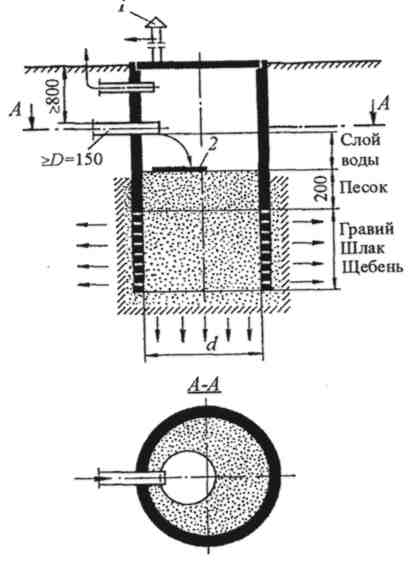
Индивидуальные очистные сооружения: К классу индивидуальных очистных сооружений относят сооружения, пропускная способность которых...
© cyberpediasu.com 2017-2026 - Не является автором материалов. Исключительное право сохранено за автором текста.
Если вы не хотите, чтобы данный материал был у нас на сайте, перейдите по ссылке: Нарушение авторских прав. Мы поможем в написании вашей работы!

